
An unconventional life
Alaska shapes, inspires nurse practitioner
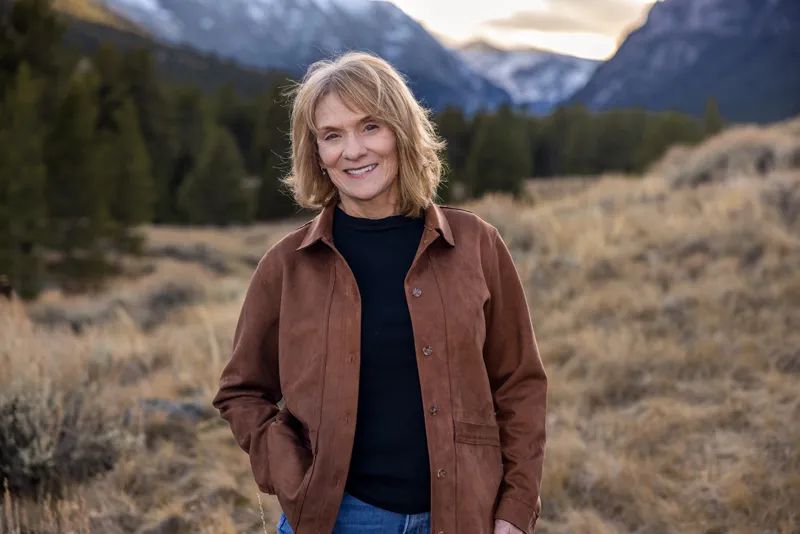
Mary Ellen Doty describes herself as “unconventional.” She’s also a risk-taker with a tenacious drive.
Those traits served her well during her 19 years as a nurse practitioner in the Alaskan bush. Those same characteristics also inspired her business, Wilderness Medical Staffing, which, too, was a bit unconventional.
“Who starts a business with no money and they’re an empty nester? Most people my age are retired,” she says with a laugh.
In fact, Mary Ellen declines to state her age, due to the way the business world perceives “more mature” women. But she has no quit in her. She not only continues to run her thriving business, but she recently made time to recount her adventures in a book entitled “Medicine at 50 Below.”
Starting with a description of her first flight into a remote Alaskan village, Mary Ellen’s story is enough to snag the reader from the get-go.
“It wasn’t that I was unused to small communities,” she writes. “I had grown up on a ranch in Montana, 20 miles from town (Roberts), so far out that we celebrated traveling salesmen.”
But Alaska’s bush smacked of an entirely different level of remoteness.
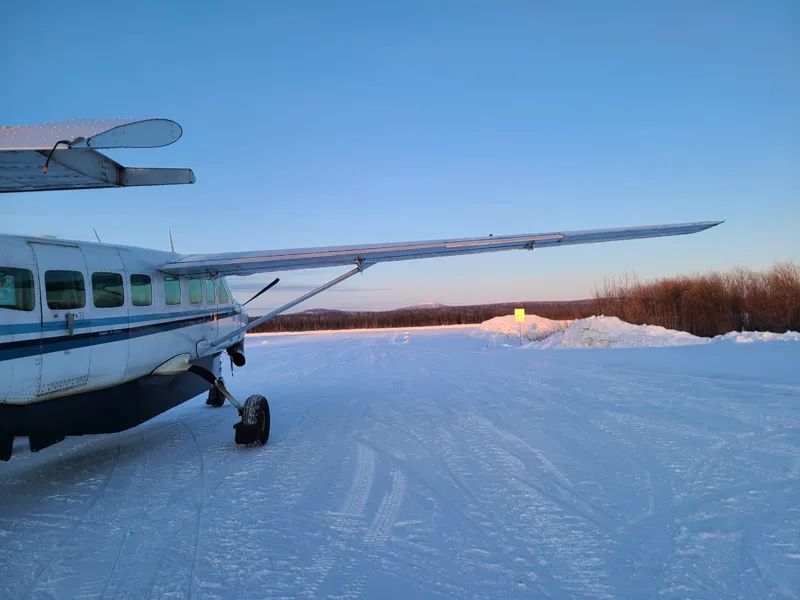
“The only way in and out was a bush plane or a two-day trip by small boat. Period. No roads, no ferries. Nada,” she writes.
Mary Ellen describes her panic as the bush pilot, who she feared might be experiencing a hangover, prepared to drop her, her husband and her 5-year-old son into the “middle of nowhere.”
“I was scared to death at what I’d committed to, a two-year loan repayment program from Indian Health Service. The deal came with one caveat only: I had to stay here.”
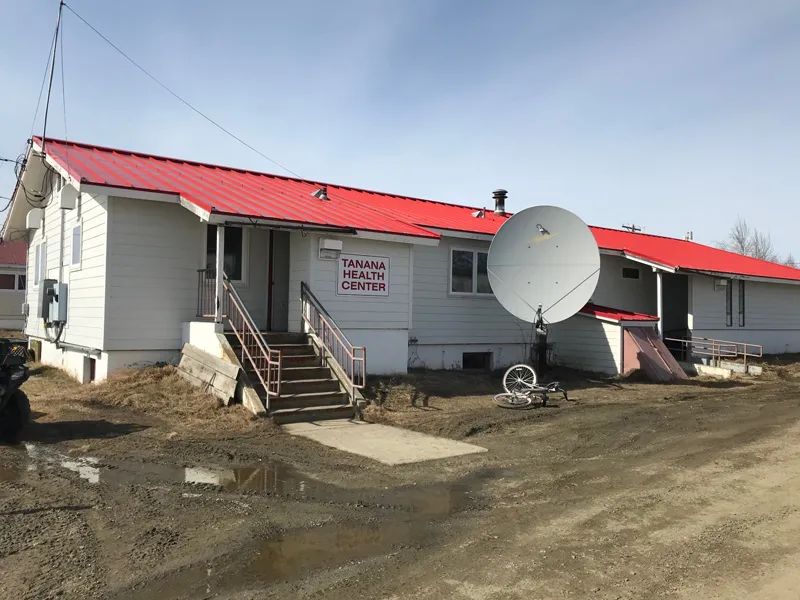
That’s how Mary Ellen was introduced to Tanana, Alaska, a village of roughly 375 native Athabascan Alaskans. Over time, however, her panic was replaced by a deep appreciation of and fondness for the indigenous people. Not only did that two years stretch into 19 years in remote Alaskan villages, but her role as a nurse practitioner eventually morphed into “Wilderness Medical Staffing.”
But to back up …
Mary Ellen grew up in Roberts where she lives today — in the same house on Willow Creek, where her grandfather homesteaded in 1892. She left Roberts to study pre-med at Carroll College, but her life took an abrupt detour when she married at 19 and soon exchanged studies for motherhood. The detour was short-lived. Divorced at 25, she enrolled at Montana State University to earn her RN, after which she went on to the University of Missouri-Columbia to become a nurse practitioner.
And that’s when she made her fateful decision. Fresh out of school, with a young family and a sizable debt, she signed on for two years in Alaska to pay off her loan.
Though her introduction to life in a remote village jarred her sensibilities, almost immediately she and her family were overwhelmed by the earnest welcome they received. She was also struck by the Athabascan culture.
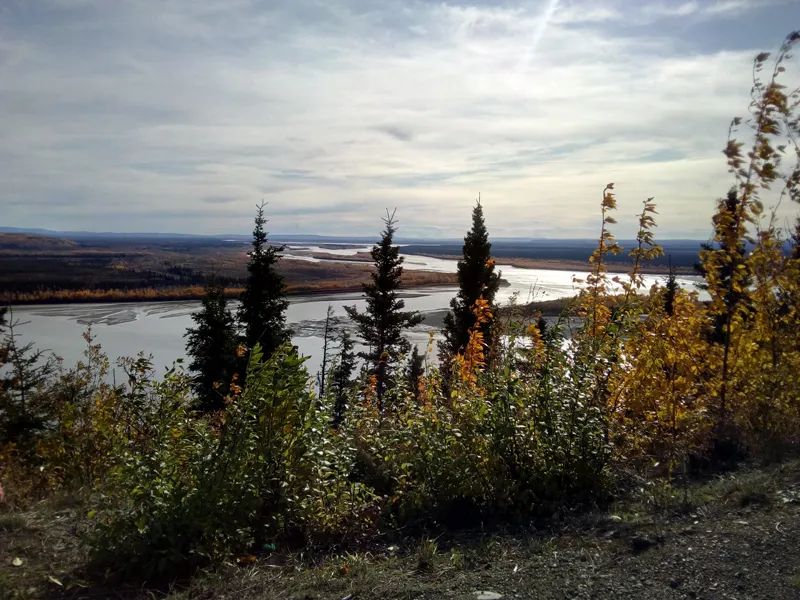
“They’ve been in that area for 12,000 to 20,000 years,” she says. “They’re so much a part of the land and the river and the wildlife.”
During her first weeks in the village, she witnessed a “giveaway potlach,” which opened her eyes to a distinctly different perspective.
“Honor in that culture is more about what you can give than what you can get,” she says. “There is no hoarding or ‘me first’ there. Survival in this climate (it really did reach -50 degrees!) depends on everyone helping everyone else. It would be unheard of to turn someone away who needed shelter, food or care.”

The Athabascan culture also venerates its elders.
“The older a person gets in this culture, the more they are revered and the more ‘visible’ they become,” she says. “They are more heard, always leading the tribe with their experience and wisdom.”
Mary Ellen grew to love the place “beyond words” and credits the Athabascan women for the support that kept her focused.
“They stood beside me, held me up and believed in me,” she says. “When I was overwhelmed, it was the women who encouraged me and challenged me with ‘if not you, who?’”
She learned quickly that she’d be filling a pivotal role as the lone provider in Tanana. Nurse practitioners in Alaska and many states are allowed to practice without a physician’s oversight, she explains. They fill a vital role.
“Nurse practitioners are completely independent and privileged,” she says. “We do everything but surgery.
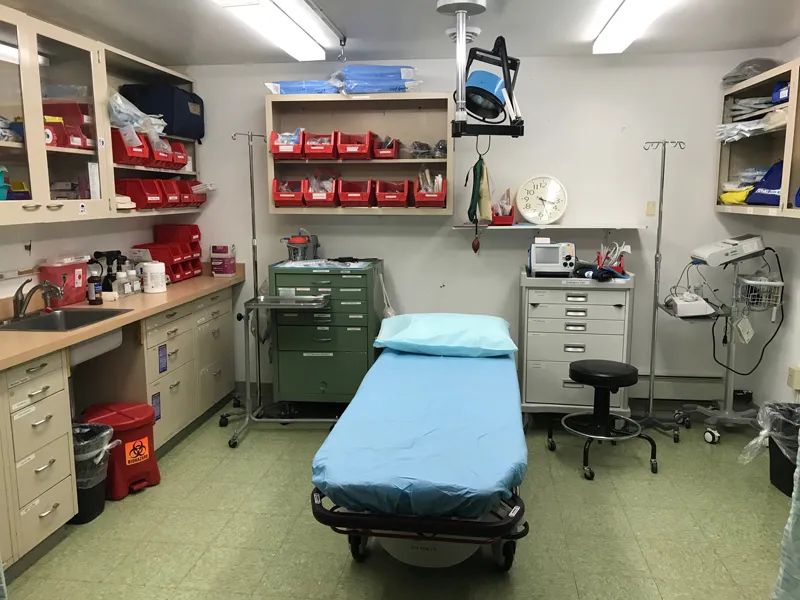
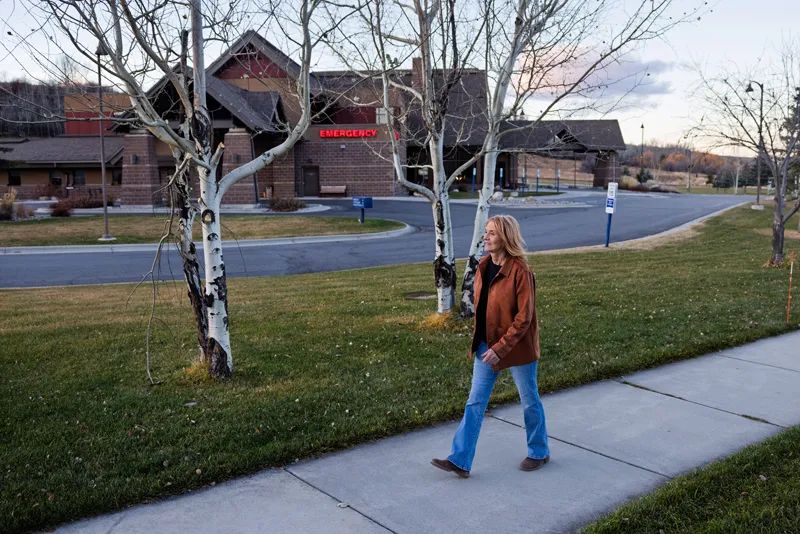
In Tanana, she provided care for whatever came in on a given day, from dressing wounds to treating a virus, diagnosing cancer to diabetes education. When she arrived, conditions were dismal.
“There was no supervision, no accountability,” she says. “There was so much abuse and generational trauma — but no one would say anything.”
She devoted five years to her practice in Tanana and 10 more in other small villages before returning to the “lower 48” where her son — then college-age — was attending the University of Montana and her daughter, her firstborn, was living and working in Billings.
With Mary Ellen’s change in locale, came a change in her job description. She quickly discovered that working in one of the state’s large, corporate healthcare facilities did not fit her vision of what health care should be. She’d followed her passion to care for people, not to play a numbers and dollars game. Rankled by the for-profit approach, her brief stint in corporate healthcare taught her a lesson.
“It was disastrous,” she says. “But I think I’m so thankful for that disaster in my life. Thank God for kicking my ass.”
In fact, he “kicked her ass” back to another small village on Prince of Wales Island in Alaska. This time, she signed on for a six-week gig that lasted three-and-a-half years. It was there that she borrowed an idea from the North Slope and turned it into “Wilderness Medical Staffing.
She’d seen providers come and go from Alaska’s remote villages and wondered how to remedy the situation.
“Clinics and hospitals would recruit and recruit and get someone in for loan repayment and they’d leave after two years,” she says. “They couldn’t keep people out in the bush. And if the village only had one provider and they lost that provider, then they had nobody.”
Then the idea struck her: why not offer a service of rotating providers, where they would work a month or so on and then a month or so off?
“That’s where we come in,” she says. “It wasn’t a brilliant idea I had in the middle of the night. I stole that from the North Slope oil industry.”
Ever since the 1970s, North Slope workers would come and go on specified schedules while their families stayed behind in less remote communities.
“Why hasn’t medicine caught up with that?” she asked.

She started the business in 2010, staffed with a couple of girlfriend nurse practitioners and herself.
“We had the worst website,” she says, laughing. “There were two pictures and a phone number to call.”
Having no business background, she hired a shoestring relative as a business coach. His advice? “He told me to ‘hire up,’ to hire people smarter than myself,” she says.
The business started slowly as she recruited at conferences. But in short order it took off. She believes its success is summed up in its simple mission statement: improving lives in rural communities.
“You have to make money, but when you put the patient first, you know you’re going to succeed,” she says.
What started by word of mouth now enjoys a steady influx of providers.
“They just come through the door because they’re done with corporate medicine, they’re done with seeing a patient every seven minutes,” she says.
The business took off so quickly that, in no time, it consumed Mary Ellen’s life. Overwhelmed and wondering what direction to take, her next steps were guided by a series of events and the clarity of vision she’d absorbed from her time in the bush.
“I had a dream one night that this is what I should be doing,” she says. “From there, I didn’t look back.”
It wasn’t long before Mary Ellen realized that what worked well for Alaska, would also work well in small towns in the rural west. Hardin, Harlowton, Baker, Ekalaka, Scobey, Circle — those Eastern Montana communities have the same problem maintaining health care providers, she says. By 2013, she was back in Montana, but this time on her own terms.
Today Wilderness Medical Staffing counts roughly 100 providers who fill in at 150-200 clinics. And that’s not counting the two dozen-plus employees who take care of administrative details.
Now working half-time, Mary Ellen has time to contemplate her future. “Wilderness Medical Staffing is like a kid that has gone off on its own and doesn’t need me as much as it used to,” she says. She hopes never to retire and sees herself as always a part of the business she fledged.
“However, I do feel like I’m at a crossroads, like there’s more to be done,” she says. “I don’t yet know the direction or location, but as long as I’m standing, I want to be instrumental in delivering medicine to those who need it most.”
YOU CAN FIND Mary Ellen’s book “Medicine at 50 Below: A Memoir of Healthcare, Healing, and Hope in Remote Alaska” on Amazon.