

Hope 2 One Life
Closing a Chapter, Leaving a Legacy
When Nadine Hart began ministering care to Ugandans nearly two decades ago, she found communities devastated by the Lord’s Resistance Army. Survivors fled with just the clothes on their backs. Nutrition was dire. Families survived day to day. At the time, Nadine provided healthcare at an infant orphan care center deep inside the war zone.
“Many families had lost their husbands, brothers, girls and boys. Women were abducted and brutalized,” she says, reflecting on those early days.
Clean water was nonexistent.
“People were drinking muddy pond water,” Nadine says. “Nearly all were ill from a variety of diarrheal diseases, malaria, respiratory diseases and more. They stood in long lines in the rain to receive healthcare from our teams.”
She knew unless a framework was created to help long term, change would never fully take root.
“We realized that no matter how many people we treated, without clean water, health education and nutrition, they would fall sick quickly after we left,” Nadine says.
In 2007, her Billings-based nonprofit Hope 2 One Life was born, and the first water wells were drilled.
Fast forward to 2026, and you can see Nadine’s fingerprints all over the area, thanks to H20, as it’s fittingly called. But, after nearly two decades of humanitarian work in Uganda which touched thousands of lives, H2O is entering its final chapter.
It is leaving a lasting legacy behind.
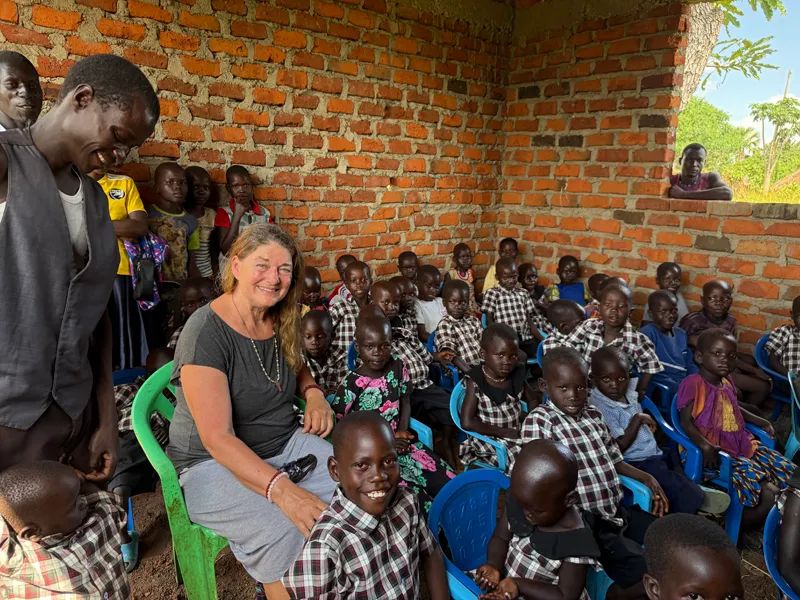
Since those early days, water systems have been repaired, nursery schools built and supported, agricultural programs created and expanded, and new boreholes drilled in communities where former child soldiers are now rebuilding their lives. The work remains true to the organization’s original mission: to empower Ugandan communities to rise out of poverty with dignity and independence. The model has been described as both a hand up and a bridge to long-term sustainability.
“We are proud of our community development model,” Nadine says of the Post-War Recovery Empowerment and Sustainability Model (PRESM). Rather than providing short-term aid, the organization invested in systems designed to last — clean water sources, agricultural training, nursery schools, village health teams, and income-generating programs. “The goal of the model was to provide hope and the ability to rise out of poverty — a ripple effect as a hopeful result.”
The “Hart” Behind the Hope
Behind every project was one steady presence: founder Nadine Hart. Nadine’s vision shaped the mission, and her perseverance carried the work through years of challenges, growth and transformation.
True to her nature, Nadine is quick to recognize the many others who have stood alongside her.
“So many people have supported the efforts of Hope 2 One Life and our mission to provide clean water, healthcare and educational resources for impoverished people,” she reflects with deep gratitude. “Their generosity is now flowing, literally, into the daily lives of people in Uganda.”
Among the collaborators is Tom Osborne, chairman and president of H2O and a professional hydrologist whose expertise guided the drilling of many of the organization’s wells. His memories of Uganda are vivid and deeply personal.
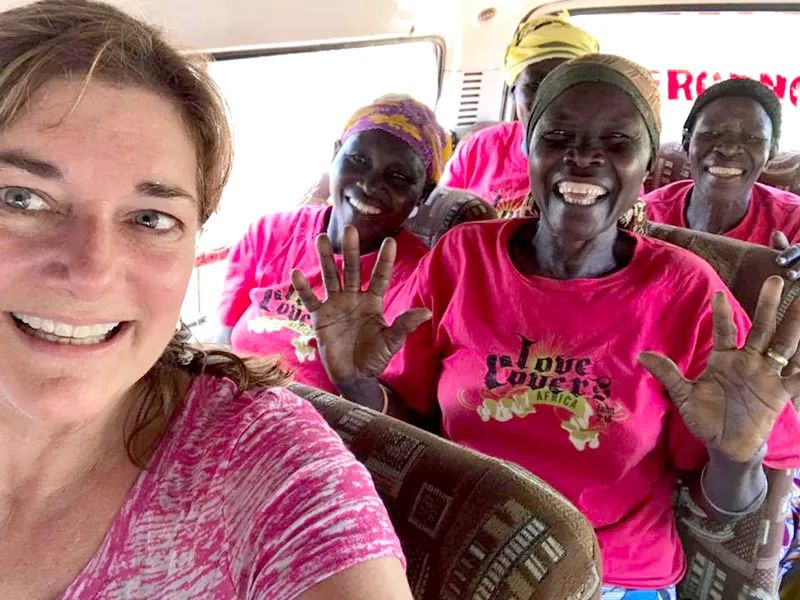
“One memory I’ve never forgotten is connected to a drip irrigation project on this farm in central Uganda, where refugees from the LRA war had found refuge,” he recalls. “A group of women learned from us how to drip-irrigate tomatoes and grow them during the dry season when not much else was growing. One woman said that this was the first money she had ever earned in her life, and for the first time because of that, she did not have to ask her husband whether they could buy salt for their household.”
The moment stayed with him.
“It struck me how powerful that was, considering salt is one of the cheapest ingredients on the planet” he says. “But it showed the depth of poverty, and how even small projects can have a life-changing impact.”
For Tom, the work in Uganda holds a spiritual weight.
“I received much more from the people there than I could ever give them,” he says. “After my experience as a young man in the war in Vietnam, I always had a prayer in my heart that I be given an opportunity to bring peace to the world. That happened in 2007, after meeting Nadine and learning of her mission work in Uganda.”
He further describes the joy of seeing thousands of people benefit from a single hand-pumped well, and the pride he felt on behalf of the donors and sponsors who made those wells possible.
“It was always very humbling to be honored by the people of these villages, following the completion of a new water well,” he recalls. “It would be a community event with singing, dancing, speeches and sometimes a feast. In subsequent years, we returned to these villages and learned that the incidence of disease had gone down. Children were healthier, doing better in school, and invariably people took good care of this resource.”
Why Now?
When asked why the organization is winding down, Nadine points to several factors, including her health. But true to her spirit, she shifts the focus back to the communities that H2O has helped.
“After 19.5 years, it is time to allow the communities we served in Uganda to stand on their own,” she says.
Nadine’s own health challenges influenced the decision. Since undergoing delicate brainstem surgery in 2020, complications have left her with significant nerve damage, pain, and ongoing medical needs. Unable to work, she has spent years navigating recovery. “It’s been long, complicated, difficult and without a cure,” she says, adding that she’s trying each day to stay positive.
The retirement age of H2O’s board members also had an impact on the timing. Thankfully, the transition was gradual and carried out with the help of the Agape Community Foundation for Development, allowing programs to be completed and communities prepared to continue independently.
Looking Forward
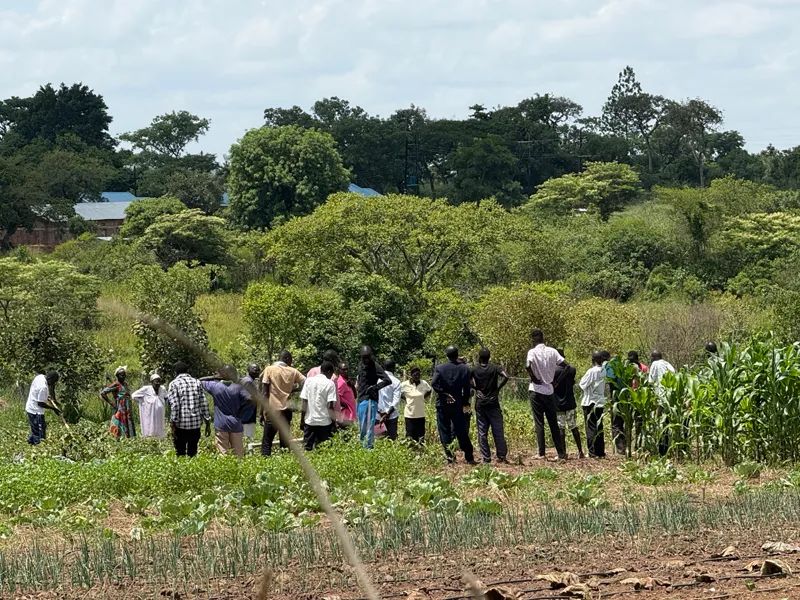
As H2O winds down, the organization celebrates its collaboration with the Montana-based nonprofit End Child Soldiering, whose mission closely aligns with H2O’s. The final wells drilled — three deep-water wells — were completed thanks to the help of End Child Soldiering.
For Tom, handing over this part of the mission came with intense gratitude for all the hands and hearts from Montana, Wyoming and beyond who helped make it all possible.
“You never know all the good that this brought people there, but we can assure you of the positive impact it has had, and we thank you from the bottom of our hearts,” he says.
For Nadine, the future is about healing, peace and trust within the communities she helped empower.
“So much love and effort was put forth by many volunteers, Uganda mission teams, donors, supporters, and prayer warriors over the years,” she says. “I look forward to hearing the Ugandans and communities we served are doing well, and I look forward to peace, strength and healing for myself.”
2 Decades of Hope 2 One Life
The numbers tell the story
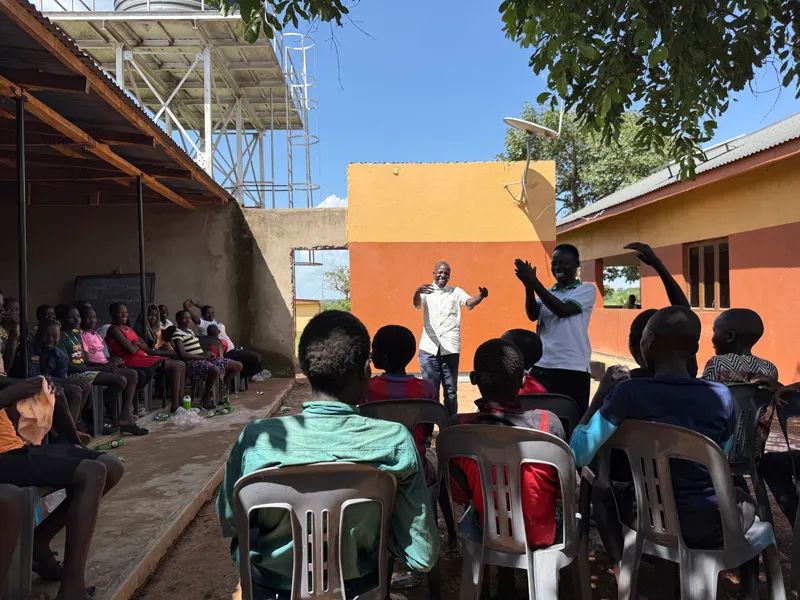
· Drilled 16 deep-water wells, installed 3 solar-powered wells, and completed 3 well repairs.
· Built and supported the Emmanuel Clinic, which now serves 600 primary school students.
· Provided health resources to orphan care centers and to schools serving deaf, blind and disabled children.
· Distributed bio-sand filters to households and schools.
· Trained 45 village health team members, who were later integrated into Uganda’s Ministry of Health.
· Introduced the PRESM model to 10 villages.
· Trained 92 farmers in Farming God’s Way.
· Supported livestock, fisheries, beekeeping and drip-irrigation projects.
· Launched 14 start-up businesses.
· Trained 80 people on the Neema Development business model.
· Supported teacher training in six villages, with 17 teachers completing their certification.
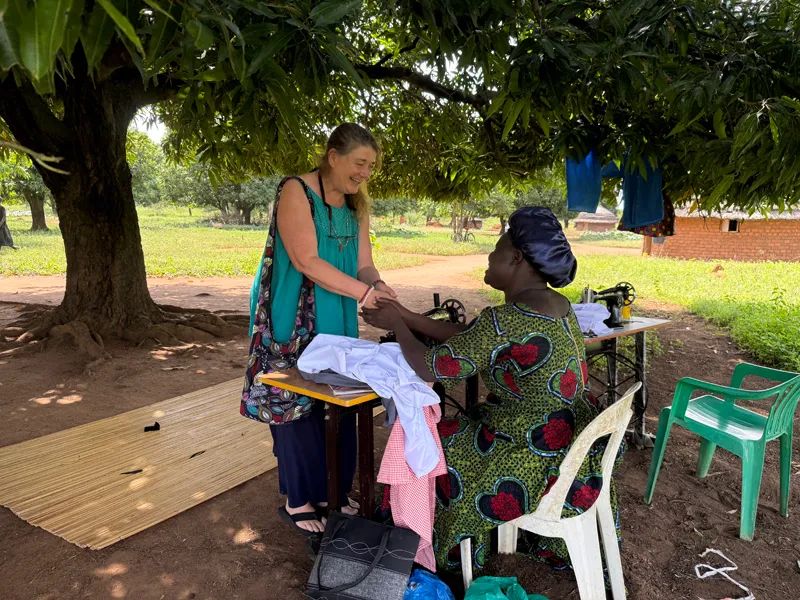
· Helped more than 30 women launch tailoring and craft businesses.
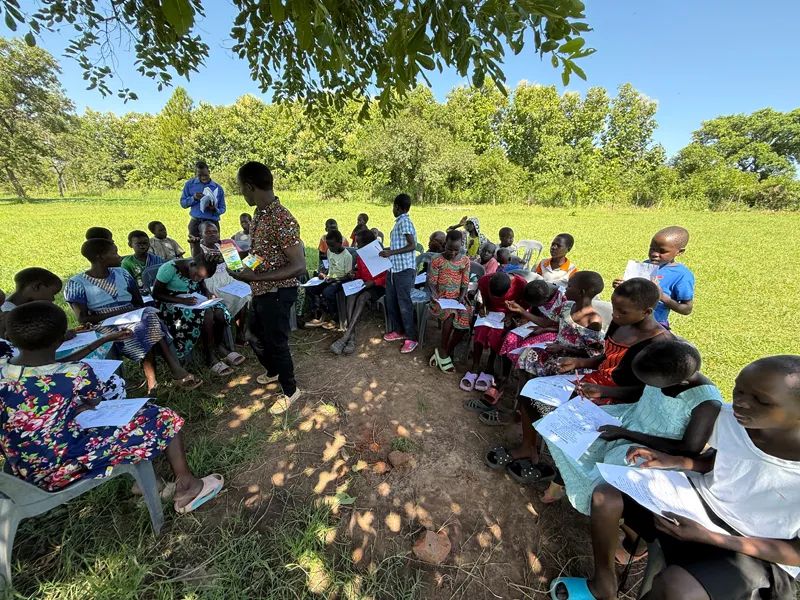
· Provided youth programs and school supplies.


