

Smiles from Berries
A Trip to Township Road Farm
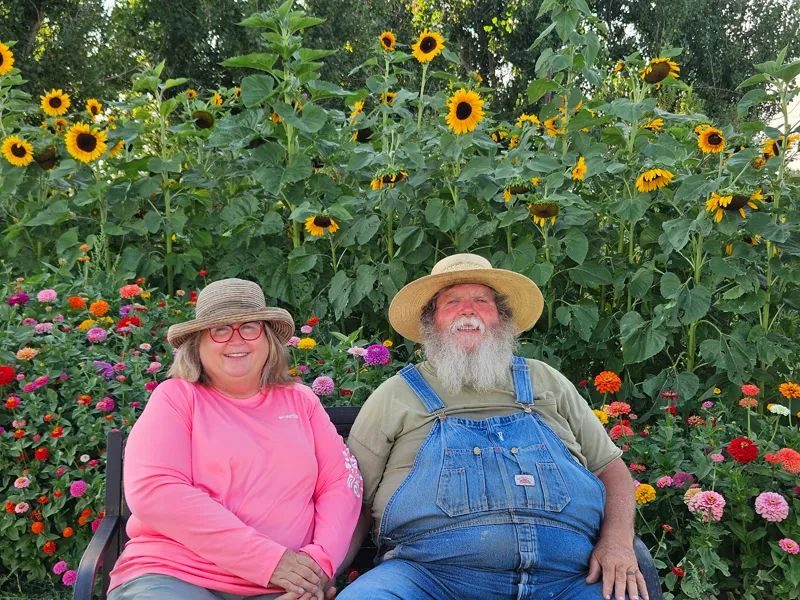
Christie Walsh made me smile with ice cream. Seaberry ice cream. On a summer night in July several years ago, I took a taste of the light-orange-hued ice cream, with a wooden spoon, from a plastic cup. I met Christie for the first time an hour earlier when she greeted me at her Township Road Farm near Worden. That evening, she and her husband, Larry, a master gardener, hosted an open house that brought together fellow trained gardeners, friends and the community.
“The open house really started as a party to get friends together,” Christie says. Every year, the Walshes enjoy the opportunity to show off their hard work, sharing stories not only of raising bounty in Montana but also how they manage to deal with Mother Nature’s challenges.
I stood at an old-fashioned ice cream cabinet, trying to decide among her offerings of homemade haskap, strawberry, raspberry and just about every flavor from the fruit they harvest on their farm. It brought back childhood memories at the grocery store, my tipped toes lifting me just over the ledge of a freezer, the sliding glass door pushed to one side, releasing refreshing cold and the anticipation of a delicious treat.
Even before I settled on a choice, Christie insisted, “Please help yourself to more. Eat as many as you want.” With Christie’s sparkling green eyes, warm smile and gentle spirit, I eventually took her up on her offer and indulged a bit more.
“We wanted to highlight the fruit,” Christie said of the ice cream offering. She saw it as a vehicle to educate people about the unique fruit they grow. Most will turn down the chance to try raw fruit they are unfamiliar with, but ice cream, which is easy to make, usually entices more people to sample something new.
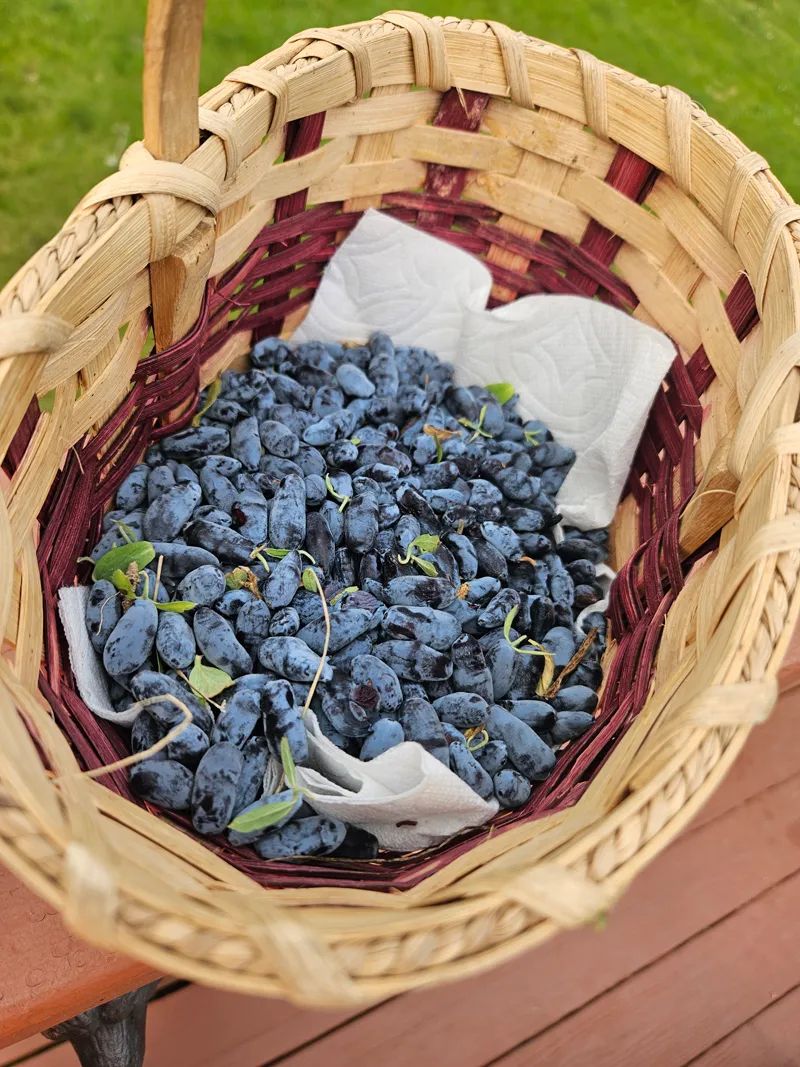
Christie and her husband cultivate a myriad of bounty on their five-acre plot. There are apples, strawberries and raspberries, along with gooseberries, haskaps, Carmine cherries, elderberries, buffalo berries, yellow currants and seaberries. Rhubarb and asparagus, which are the first to emerge each year, are the welcoming committee to the rest of the fruits and vegetables.
“We grow a little bit of everything,” Christie says. “We slowly kept planting,” she adds, admitting that she loves to collect varieties, and often plants one or two plants, simply because they look interesting.
“I have a crazy husband,” Christie says with a laugh. “My husband wanted a big garden and lots of trees. He wanted a hill, a brook and a pond,” she says, detailing his wish list, when they moved to the Billings area in 2002. “We were tired of Denver.” Although they did not find that dream property within their budget, they do have the perfect plot of land with many trees.
Up until last year, tending this land is not what Christie and Larry called their day jobs. Christie just retired last fall after years with the Bureau of Reclamation as a civil engineering technician, performing drafting and design work. Larry, once a farrier, now drives a school bus. In the past, they would work full days and shuffle their daughters to activities, coming home to tend their farm.
They did it with a passion for bringing fresh fruit to others. “When you eat a raspberry, you smile,” Christie says. Larry was determined, with each piece he harvested, to prove that fruit can be grown in eastern Montana. You just need the most cold-hardy and early ripening varieties.
This passion inspired Christie to accept the role as chair of the Montana Berry Growers Association, a group she helped start in 2019 with MSU Extension. For the past three years, she has led a group of growers, who support statewide development of small-fruit markets and their producers, through resources, advocacy and collaboration.
The couple is also active in the Montana and North Dakota Grape and Wine Association, the Yellowstone Valley Food Hub, Montana Agritourism, and the Healthy by Design Gardener’s Market at South Park.
They are constantly creative with each season’s crop. A little more than 10 years ago, they planted grapes for wine. Their mission was simple.
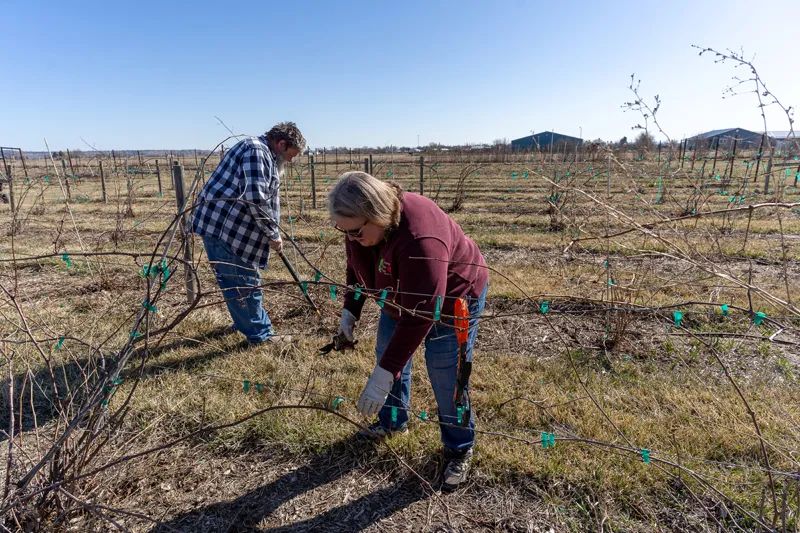
“We would give an experience to the wine hobbyist who wanted to make wine,” Christie says. “They would pick the grapes and use our wine press to make their own wine.” The couple grew Frontenac, Marquette, Itasca and Petit Pearl grape varieties. After making their first wine in 2014 out of sand cherries, they planted grapes and now boast more than 250 wine grape vines with more to come.
“The problem with growing grapes is that the existing vine dies,” Christie laments. With severe freezing temperatures in the winter and hail in the summer, the vines, even though bred to tolerate most of Mother Nature’s wrath, can succumb to her fiercer attacks.
Then, “with fire blight, we lost some trees and had to trim them out,” she says. Still, Christie finds satisfaction and delight even among the failed attempts. “It’s finding a new variety and discovering if it grows and how it would grow,” she says. And when it does thrive and mature, she likes how “it brings joy to people.”
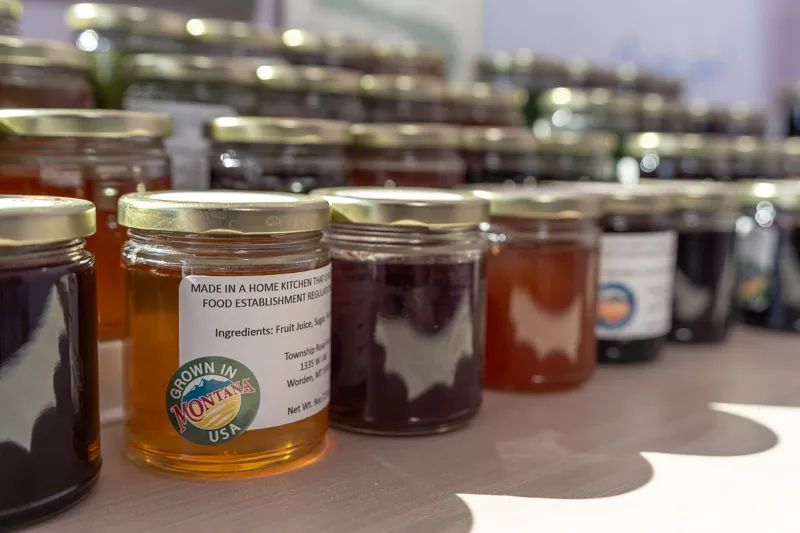
Last year, the couple built a shop with a small farm store facing Highway 312 that sells their fruit, vegetables, eggs, jams and sauces. A customer can stop by and purchase items using the honor system.
Inside, they will find evidence of Christie’s curious and creative nature. Jars of haskap, gooseberry, sand cherry, jalapeño, apple and many other preserves sit on a card table. In the freezer, bags of black currants, raspberries, and strawberries are found next to many tiny containers of ice cream in shades of pink, purple and white. Pâte de fruit, a traditional French jelly confection with intense flavor, coated in granulated sugar, is her latest culinary creation. It is just one more way Christie tries to highlight the fruit they grow.
At 57 years old, Christie is moving into a new chapter. “I really miss what I did at my job. I liked helping people. I liked drawing things. Now I can use my talents to make labels,” she says with a smile. Those labels name the goods she creates and nurtures. With each piece of produce, she is helping people learn about new fruits and vegetables that flourish in eastern Montana and — of course — make them smile.