

When the Unexpected Happens
How One Woman Turned a Frightening First Mammogram into Advocacy and Empowerment
When Saskia Boogman scheduled her first mammogram at age 40, she expected a routine result. An avid runner in excellent health with no known genetic risk factors, she anticipated the typical baseline images, the remote possibility of a follow-up call that her provider had mentioned, and maybe a little nervousness simply because it marked a new milestone in her preventive care.
What she didn’t expect was the reality that unfolded afterward: a suspicious finding, a same-day biopsy, and the startling news that although her pathology was benign, surgery was still recommended. She certainly didn’t expect to wake from that surgery having had a growth removed she described as a stack of silver dollars.
Saskia’s experience, while uncommon, shines a light on an often-misunderstood truth of breast health: callbacks, additional imaging and biopsies are not synonymous with cancer. They are signs that mammograms are doing what they’re designed to do — detect changes early.
For Saskia, the journey from routine screening to surgery unfolded quickly, unexpectedly, and with moments of fear she never anticipated. Yet it also revealed the profound impact of compassionate care, the importance of sharing women’s health experiences openly, and the power of turning fear into advocacy.
A Routine Appointment – Until It Wasn’t
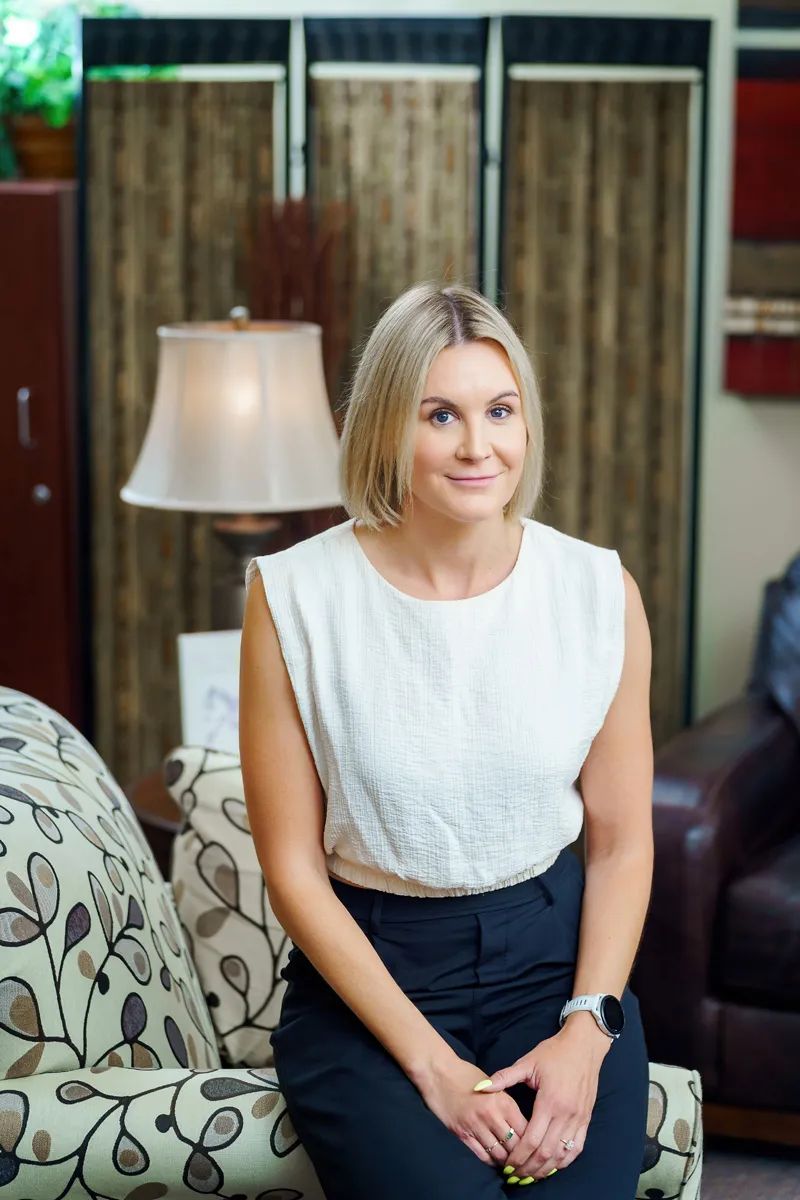
Saskia was born in Billings and raised in the lively warmth of her parents’ popular bakery, Caramel Cookie Waffles. Today, she leads marketing strategy for Bretz RV & Marine, overseeing nine dealership locations across four states. She and her fiancé, Levi, will be married this September.
Turning 40 last year, Saskia knew it was time for her first mammogram, though she admits she forgot until her provider mentioned it casually during her annual exam. Her provider also noted that secondary imaging is common for women with dense breast tissue, a normal status in nearly half of women over 40. Armed with that knowledge, Saskia felt prepared.
“I felt I knew what to expect,” Saskia says. “I went on my usual 5 a.m. run. I remember being excited about the free City Brew coffee certificate they were giving out for Breast Cancer Awareness Month.”
When she received the callback for additional imaging, she didn’t panic. “My immediate reaction was that this was normal. It felt like a continuation of something routine.”
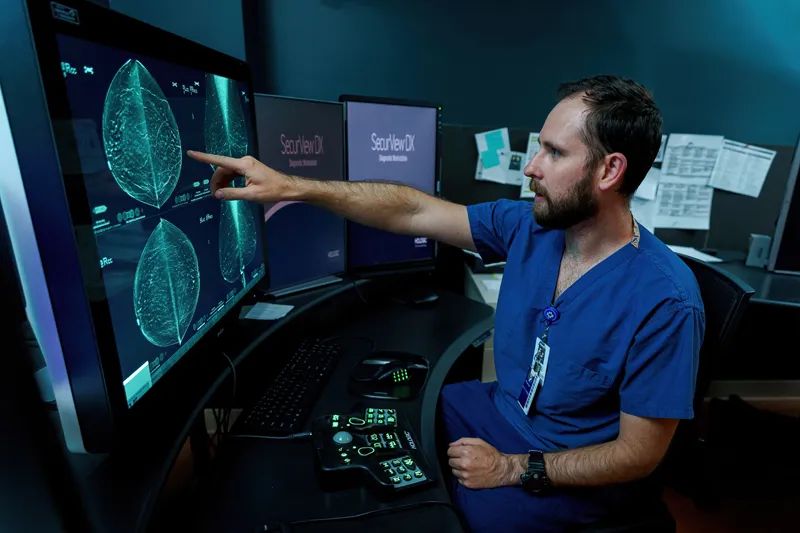
But during the ultrasound, the tone shifted. The technician asked the doctor to come in. The imaging moved from her breast to her armpit.
“I remember thinking, they are checking my lymph nodes. They think I have cancer,” Saskia recalls. “That was the moment I suddenly became afraid.”
Same-Day Biopsy
The care team at Intermountain Health recommended a same-day biopsy. Saskia spent the hours before the biopsy at her parents’ home. “I tried to be positive, but I was afraid.”
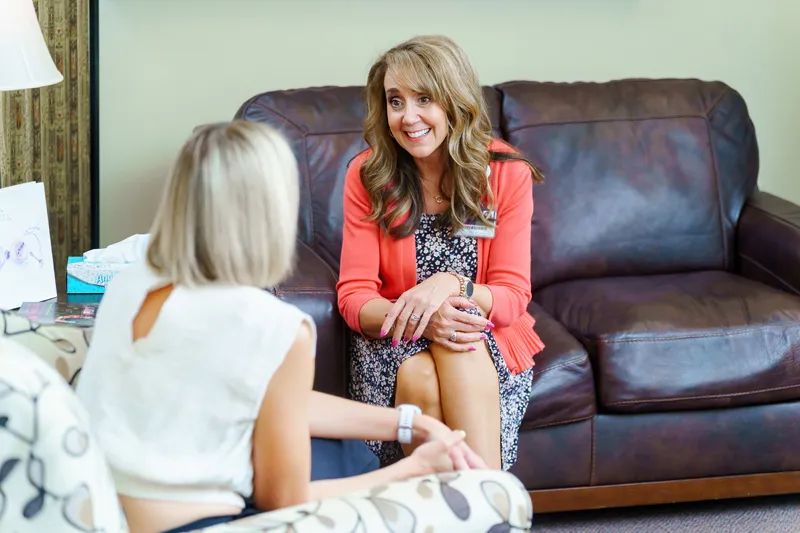
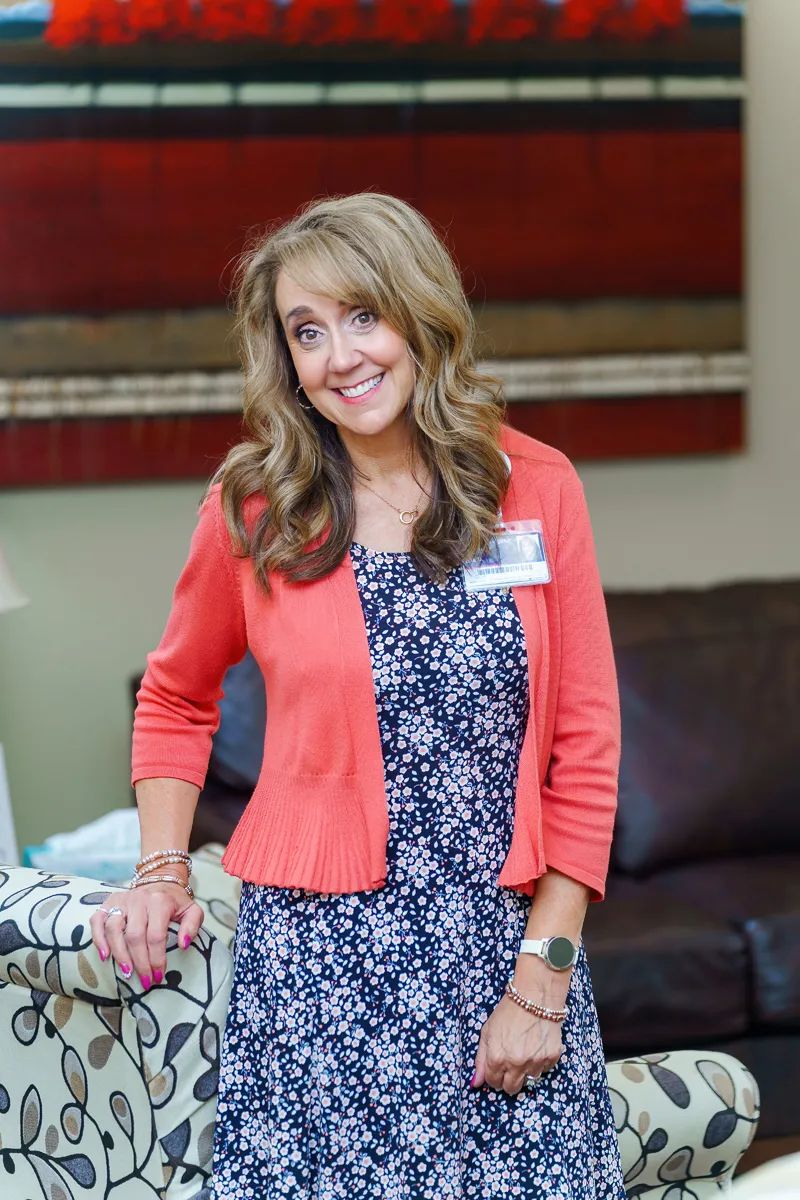
At the St. Vincent Breast Cancer Center, Ella Dugan Staples, a breast health navigator, stepped in — something she has done for nearly 15 years.
“I am notified when the radiologist is going to a biopsy,” Ella explains. “It allows me to provide immediate support as needed with the patient. On same-day biopsies, the patient is naturally immediately stressed, and being present and comforting the patient is crucial.”
She introduced herself to Saskia, explained her role, and stayed with her throughout the procedure.
“I genuinely care about patients and treat each on an individual basis,” Ella says. “I hold a patient’s hand, if they are accepting such, because human touch in a vulnerable, scary situation can be a lifeline.”
Saskia felt that lifeline. “It sounded like a hole punch,” she recalls of the biopsy. “It didn’t hurt, but it felt incredibly invasive and clinical. It’s hard not to feel small and vulnerable at a moment like that.”
Relief, Then Confusion
Waiting for pathology results was agonizing. “I’ve never been good at waiting,” Saskia admits. “I wanted to know immediately, but I also didn’t want to think about it.”
Ella knows the waiting period well.
“The waiting period between biopsy and results can be terrifying,” she says. Typically, that can take up to three business days. “If results haven’t come in, I call each patient to provide comfort and let them know that running behind doesn’t mean anything bad.”
When the call finally came, the first words brought a rush of relief: “Your pathology is benign.” But the next words were confusing. She would still need surgery.
The diagnosis was a complex radial scar, a rare, benign breast lesion that can mimic cancer on imaging and is often removed surgically to ensure no hidden malignancy. Saskia had never heard of it. When she turned to the internet, she found almost nothing.
“I searched Reddit, TikTok, Google, everything. I found very few real experiences from women. I wanted to understand what recovery looked like. I wanted to feel like I wasn’t alone.”
Surgery, Scars, and the Weight of the Unknown
Before surgery, Saskia learned her radial scar measured 11 millimeters, or just over a centimeter. She felt reassured by how relatively small that sounded. But after the procedure, she learned the truth: more than an inch of tissue had been removed.
“It wasn’t until Levi and my mom were sitting with me that I learned the size,” Saskia says. “Levi circled his fingers, and I thought, like a stack of Oreos.”
Seeing the incision for the first time was overwhelming for Saskia. “I cried when I finally saw it,” she says. “I’ll always carry a very visible scar to remind me of the winter of 2025.”
Turning Fear into Advocacy
After surgery, Saskia made a short video about her experience and posted it on TikTok and Instagram. She didn’t expect much. But months later, the video has over 7,000 views, and women continue to comment, ask questions, and share their own fears.
“I felt so alone trying to find real experiences with benign excisional biopsies,” she says. “There is very little information about breast surgeries that don’t involve cancer. I had no idea this was even possible.” Even though her case was extreme and uncommon, she urges, “Don’t be afraid to schedule your mammogram.”
Saskia’s experience underscores a truth many women don’t hear often enough: Breast health exists in shades of gray. Intermountain Health care providers remind patients that not every callback means cancer. Not every biopsy means bad news. And not every surgery is a sign of catastrophe.
Today, Saskia admits that while she still feels uncomfortable with the scar, she feels grateful, healthy and ready to step into the next chapter of her life.
“If I can be even a small part of growing the discourse by sharing my experience, I’ll feel like I’ve done something.”