

Beefing Up Community
Crazy Peak Cattle Women are feeding and reconnecting a community to agriculture
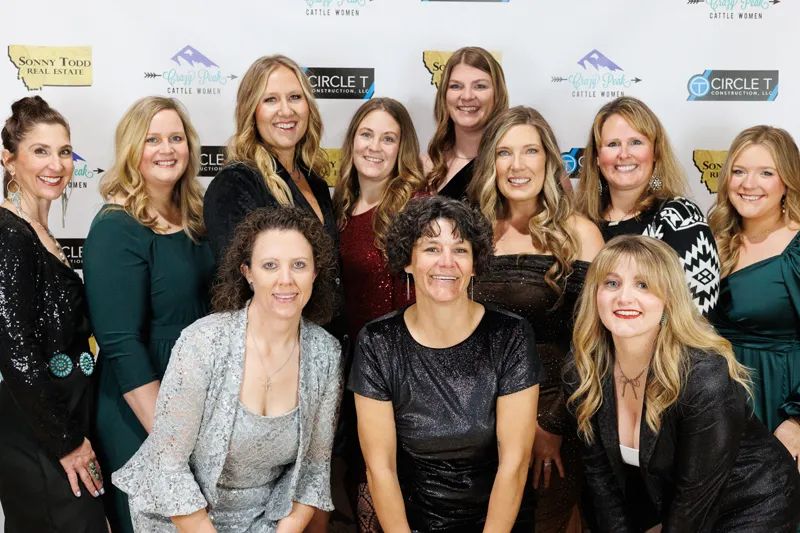
In their glittery dresses, high heels and styled hair, a group of close friends and their husbands were decked out for a New Year’s Eve celebration, ready for a party. It was the last year for the Cattle “Bawl,” which for the previous five years had been the major fundraiser for Crazy Peak Cattle Women, a nonprofit founded in 2017.
The women worked diligently putting on the event that the community of Big Timber rallied behind, which included prime rib dinner, a raffle and live music. But it was also an opportunity to get out of their blue jeans and muddy boots, dress up, and leave the ranch for the night while having a little fun in town.
They are a determined group of women. Most of them are young moms. Several of them, descendants of ranches in Sweet Grass County going back four and five generations. Bound together, not only because many of them are related, but because of their rural roots and the fact that they are all cattlewomen working hard to advocate for agriculture.
“Even in a rural community like Big Timber, there are still children that don’t know where their food comes from,” says Heidi Todd, one of the Cattle Women. “We started to see a disconnect and that was frustrating in a county whose largest industry is agriculture.”
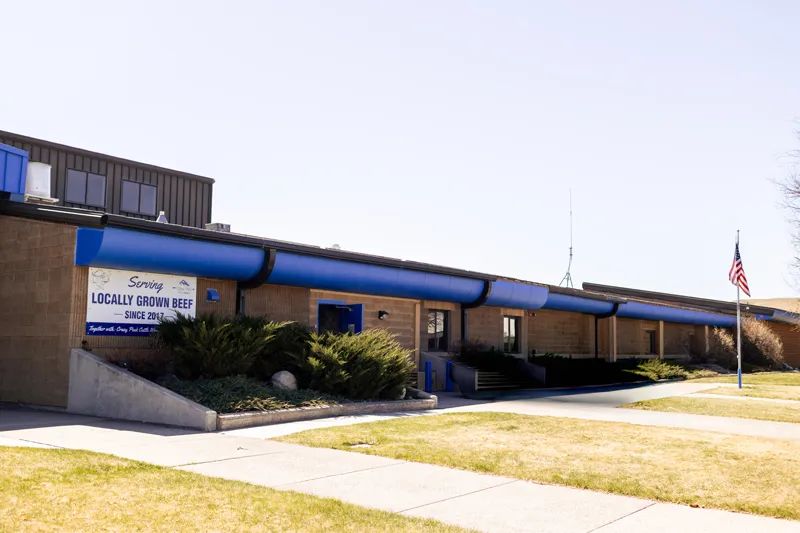
What’s evolved from their efforts has been a tremendous asset to the community, including a Farm Fair for fourth and fifth graders, a bratwurst competition, scholarships, and their biggest project — orchestrating the donation of all the beef for the elementary and high school hot lunch programs in both Big Timber and Rapelje.
“Beef to School has evolved into something that we’re really proud of,” says Heidi, a past coordinator the program. “We’ve provided over 28,000 pounds of beef to the school in the last seven years.”
A dozen or so area ranchers generously donate a cow or steer every year to the program with the Cattle Women taking care of the details — slaughter dates, cutting instructions and even delivering the packaged beef to the school.
Corey Austin, Superintendent at Sweet Grass County High School calls the collaboration “a tremendous partnership.”
“We are very proud that we serve homegrown, local, high-quality beef in our lunch program,” Corey says. “The generosity of the ranchers has broadened the creativity of our lunches.”
The Rapelje School is the beneficiary of three head of beef a year and according to Lydia Sargent, a member of the Cattle Women whose family donates beef, it’s been a game changer.
“We’re ranchers, our kids should be eating local beef. In a town the size of Rapelje, there aren’t a lot of resources,” she says. “But when the school needs beef, someone always steps up.”
Combined between the two towns, over 300 students are benefitting from the generosity of the Cattle Women and the area ranchers.
“It works well because it’s important to all of us that it’s successful,” Heidi adds. She also gives credit to local meat processor, Brian Engle, owner of Pioneer Meats, for his help. “Brian goes above and beyond to help us in the processing. The students really do benefit from everyone’s efforts.”
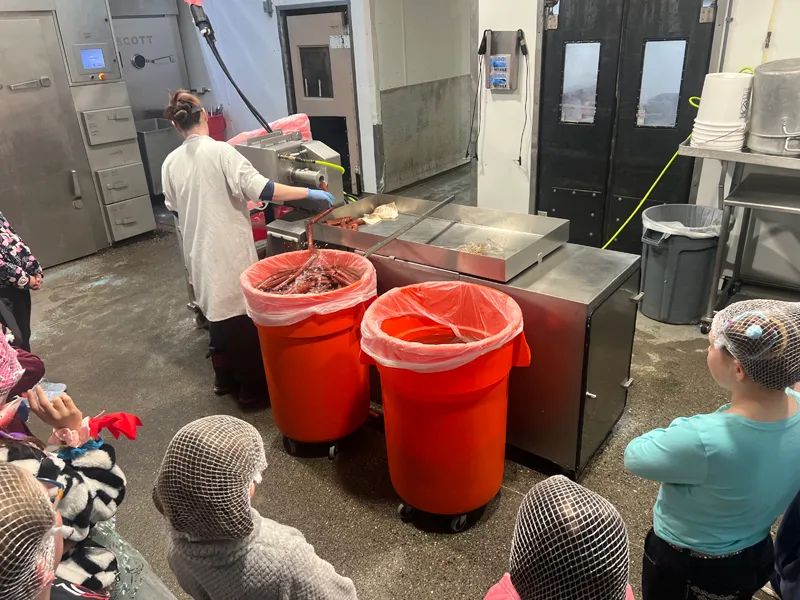
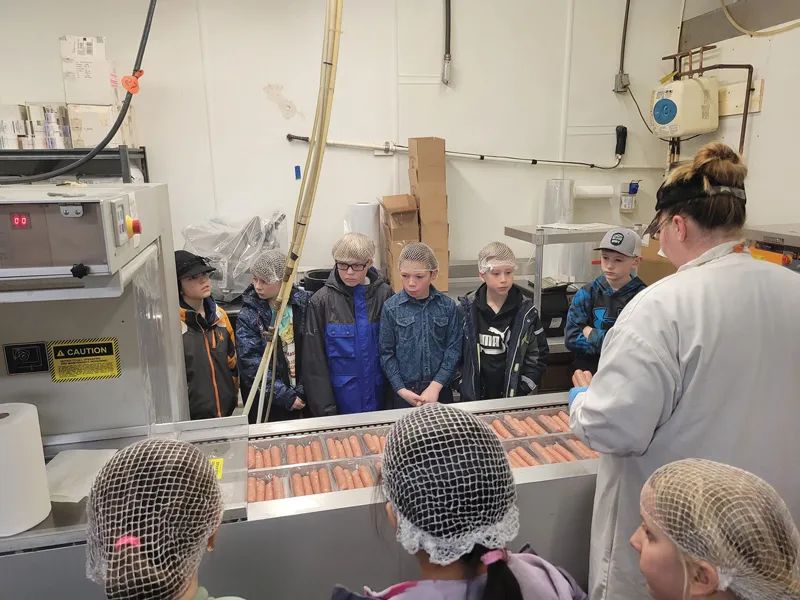
In addition to processing the beef for the school, Brian hosts the annual bratwursts competition, where the winning recipes created and submitted by the area fourth graders are made into brats. After tasting the winning brats, the day ends with a tour of the processing plant.
“Both the brats competition and the Farm Fair are really hands-on days,” Heidi says. “They are opportunities for kids that haven’t grown up on a farm or ranch to see where food comes from, how it is processed and piques their interest in ag.”
The Farm Fair demonstrates different aspects of agriculture, including learning how to care for livestock, irrigation of crops, safety around farm equipment, shearing sheep and what by-products of a cow impact their daily lives. The Cattle Women bring all the livestock and are the instructors for each station.
A Pub and Putt and a golf scramble have replaced the Cattle Bawl event because, as the women realized, having young children and planning an event during the holidays became too much.
“It was a lot of fun,” Lydia says. “But really anything we do, if we’re meeting our mission of ag education and kids are learning, we’re having fun.