




Stronger Bones Start with Awareness
Osteoporosis too often goes undetected until it's too late
Dr. Cynthia Brewer D.O., Intermountain Health
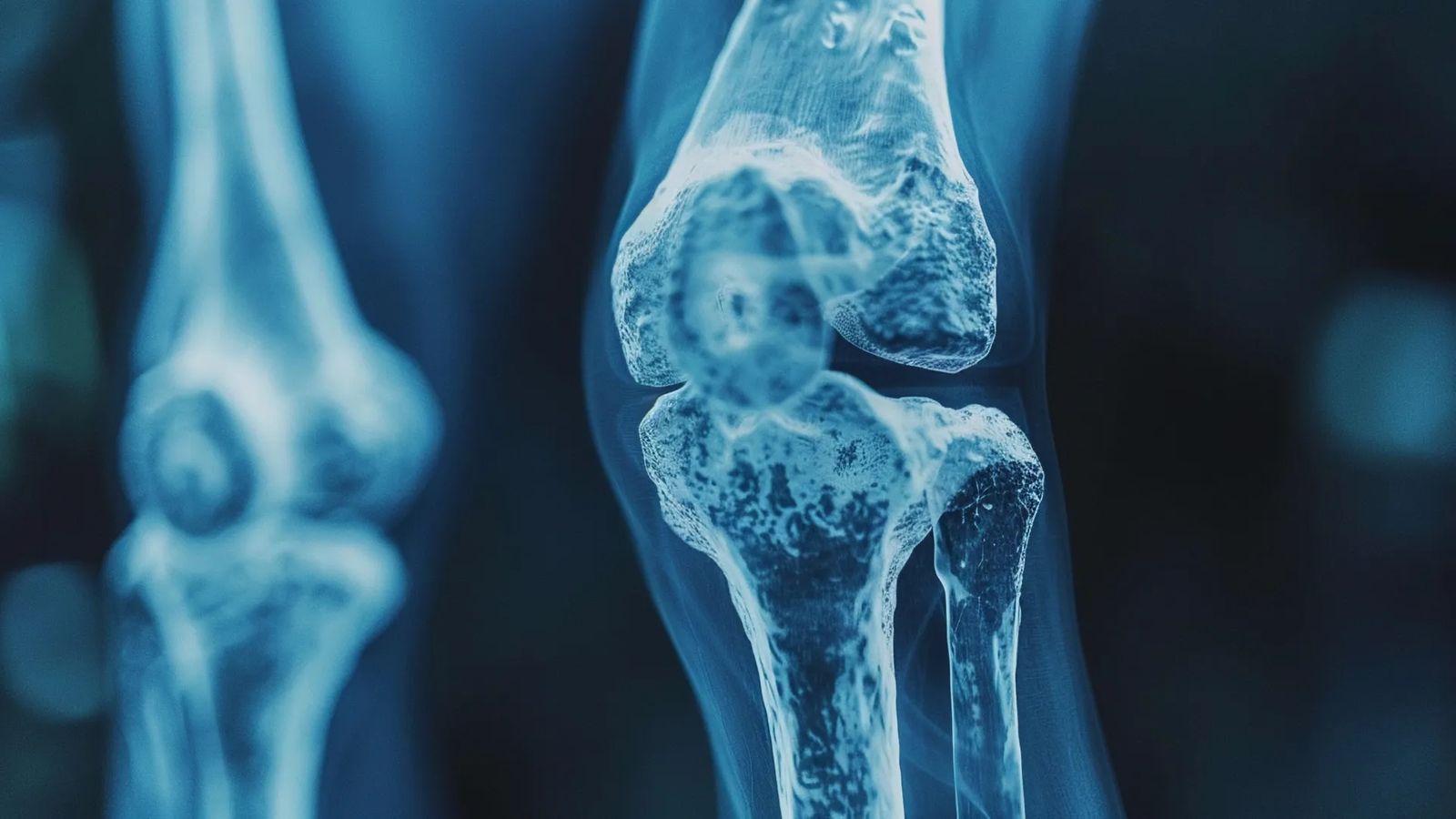
Osteoporosis is often called a silent disease because most people don’t realize their bones are weakening until they experience a fracture. As millions of Americans move into older adulthood, the condition remains underdiagnosed and widely misunderstood. The concern isn’t just how common osteoporosis is, it’s how quietly it progresses.
Unfortunately, you aren’t able to feel your bones weakening. People think a broken bone from a simple fall is normal. But normal bone doesn’t break from tripping over a cord or stumbling over a dog.
One in two women over 50 will experience an osteoporosis-related fracture in their lifetime, along with one in five men. Each year, the United States records three million osteoporotic fractures and 300,000 hip fractures. These are injuries that frequently lead to long-term disability and, in many cases, a serious decline in health. Yet only 20% of patients receive osteoporosis treatment after being hospitalized for such fractures.
One reason is that osteoporosis doesn’t fall under a single specialty. Primary‑care physicians, gynecologists, rheumatologists, and endocrinologists all manage pieces of it, and without a clear diagnosis, many patients never reach someone who specializes in bone health.
.png?fit=outside&w=1600&h=900)
Osteoporosis starts forming long before people think about it. Childhood nutrition, menstrual history, steroid use, and gastrointestinal disorders can all play a role. But because it’s painless, most people assume they’re fine.
Thankfully, there is treatment. And treatment doesn’t simply rebuild bones; it prevents fractures that can shorten lives. Hip fractures have a 20 to 30 percent mortality rate in older men, and half of the survivors lose independence. These are preventable outcomes, but only if the disease is treated.
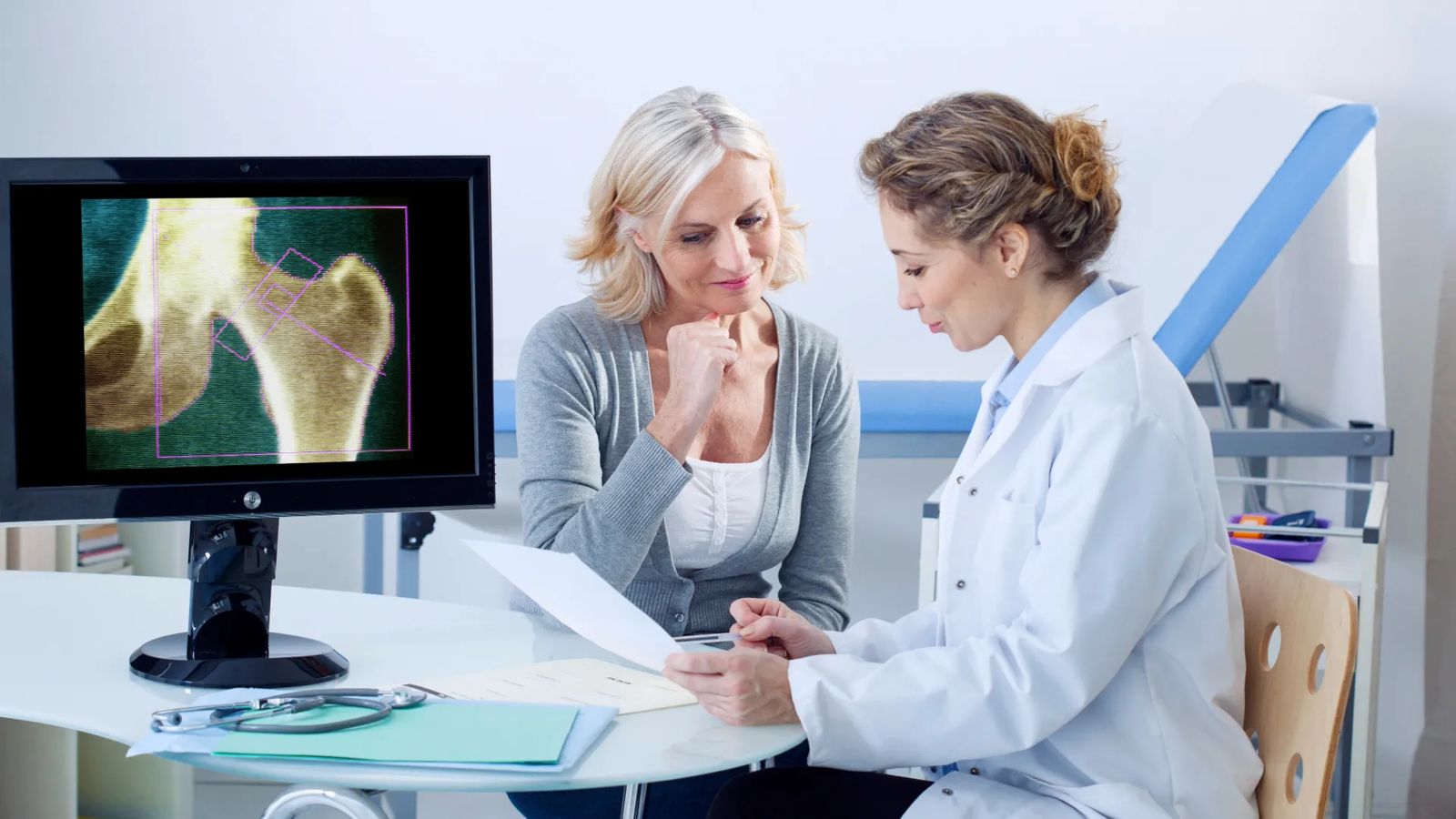
It is important for women to get a bone density scan during the menopausal transition, when bone loss accelerates dramatically. Men should be screened by age 70, or sooner if they have health conditions that affect bone metabolism.
Lifestyle choices play an important role as well, including resistance training, balance exercises, adequate calcium and vitamin D intake, limiting soda and alcohol, and managing chronic health conditions that weaken bone over time.
Early detection is crucial. Osteoporosis isn’t something you feel. It’s something you discover too late, unless you look for it. At Intermountain Health, we encourage people to ask their primary care provider about a bone-density scan and act before a silent disease becomes a life-changing fracture.
Dr. Cynthia Brewer, DO, is a family medicine physician at the Intermountain Health West Grand Clinic in Billings.
More from the Experts at St. Vincent Regional Hospital






About St. Vincent Regional Hospital
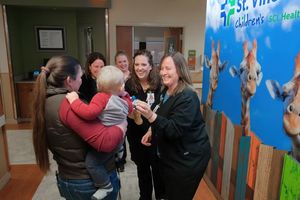
Founded on our mission of compassionate care 125 years ago, St. Vincent Regional Hospital, part of Intermountain Health, has grown into one of Montana’s largest comprehensive hospitals, serving the healthcare needs of over 400,000 people in our four-state area. Continuing to respond to the needs of our community, we have been recognized as an innovator in trauma, heart, neurological and cancer care. At St. Vincent and Intermountain Health, our 12 primary care clinics, and specialty clinics in and around the Billings area, our goal is to help you live the healthiest lives possible. This also includes caring for the region's youngest patients. We opened the region's first Pediatric Intensive Care Unit staffed 24/7 by Pediatric Intensivists and the only Pediatric Surgery program serving eastern Montana, northern Wyoming, and the western Dakotas.


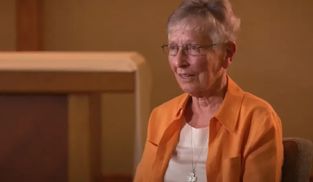
125 Years of Caring for You
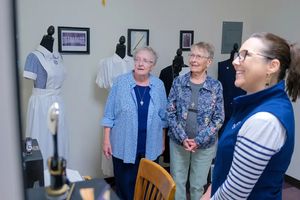
St. Vincent is proud to be Billings' first hospital, caring for generations in our community. Hear the story of how a group of brave Catholic sisters brought healthcare to Billings and how we continue our mission to help you live your healthiest life. Click HERE to watch.