

150 cooperative way | huntley, MT 59037 | PH: 406-348-3411


.png?fit=outside&w=1600&h=900)
Kilowatts in the Cold
What’s quietly driving up winter energy use
Yellowstone Valley Electric Cooperative
When temperatures drop, many of us see a predictable spike in energy use. But what we don't realize is where that electricity is going. Winter’s biggest energy users are often the quiet, “set-it-and-forget-it” devices around the home, barn, and shop. These units that may seem small but add up to major kilowatt-hour consumption.
.png?fit=outside&w=1600&h=900)
Baseboard Heat: Simple, but Inefficient
Electric baseboard heaters are common in older homes and cabins. They’re inexpensive to install and nearly silent, which makes them appealing. Unfortunately, they are also one of the least efficient ways to heat a home. They also struggle to heat large or drafty rooms, causing them to run continuously on the coldest days. Homes relying heavily on baseboards can see winter usage double, or even triple, compared to homes with modern heat pumps.
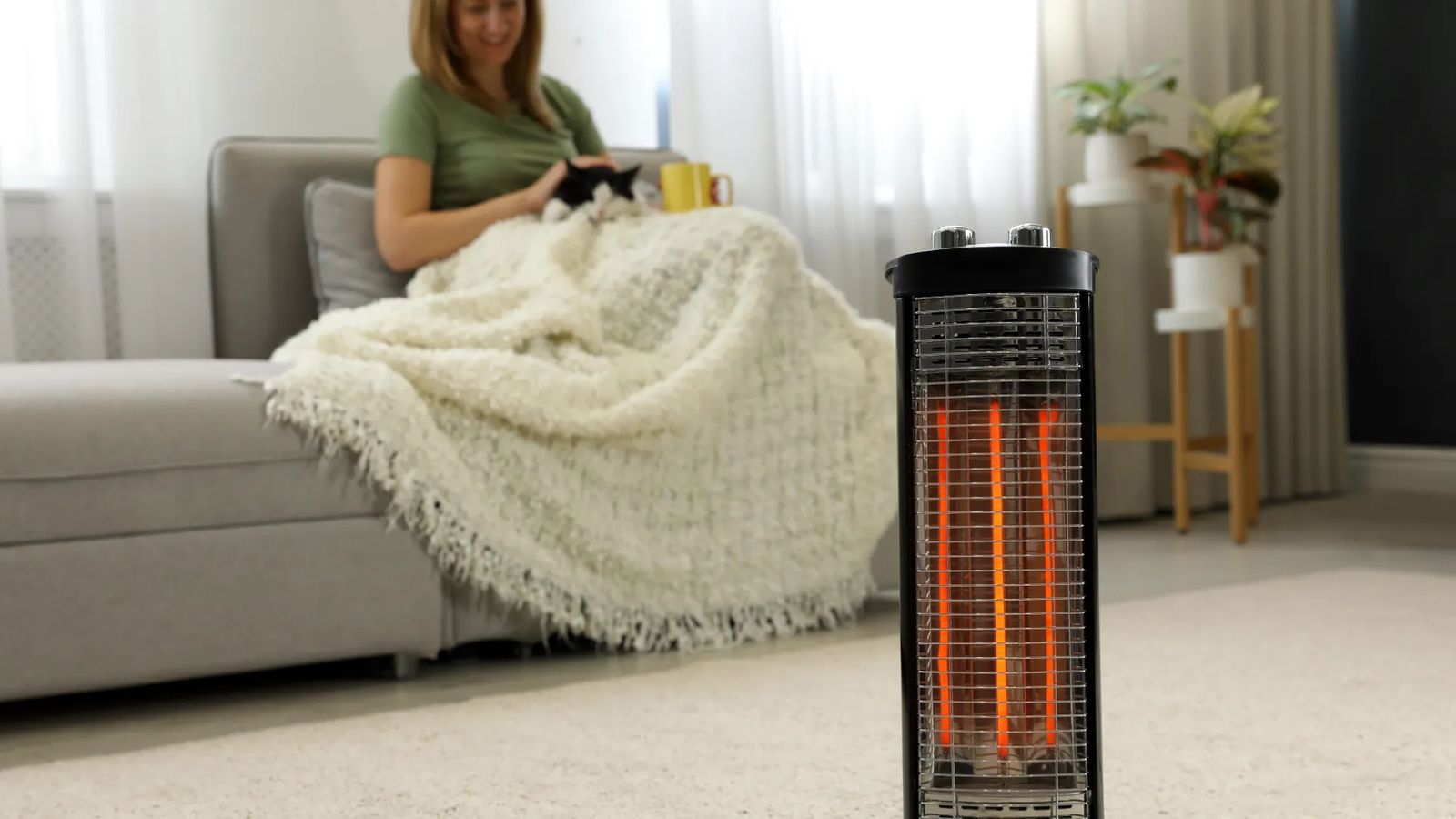
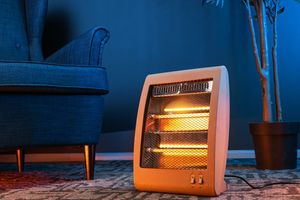
Space Heaters: Small Size, Big Appetite
Portable space heaters feel like an easy solution for a cold room, but most pull 1,000 to 1,500 watts. Even one small heater can add $15–$30 a month if used just a few hours a day. Two or three left running around the clock? That’s one of the fastest ways to drive up electric usage. Space heaters also create uneven heating, tempting homeowners to supplement with more units or turn up other heat sources, compounding the problem.
Heat Tape: Always On, Always Using Power
Heat tape is essential for protecting pipes in extreme temperatures, but many homeowners don’t realize how much electricity it uses, or that older styles operate continuously whether pipes need heat or not. A single 100-foot run can draw hundreds of watts 24/7. Multiply that by multiple lines and the cost climbs quickly. Upgrading to self-regulating heat tape or insulating exposed pipes can cut this load significantly.
Trough and Tank Heaters: Necessary, but Expensive
Livestock owners know that frozen water is not an option. However, trough heaters and stock-tank deicers are among the most demanding winter loads on rural properties. A typical heater ranges from 1,000 to 1,500 watts, and in subzero weather, they may run nearly nonstop. Poor insulation, cracked troughs, or wind exposure force these units to work even harder. Simple steps like adding insulation, using tank covers, or installing energy-efficient models, can make a noticeable difference over a long winter.

Smarter Ways to Stay Warm
While these devices are essential in many homes and ranches, being aware of their energy use empowers cooperative members to take control. Options for reducing winter consumption include:
- Upgrading to air source or cold climate heat pumps
- Adding smart thermostats or timers to limit run time
- Improving weatherization and insulation
- Replacing old heat tape or inefficient stock tank heaters with modern, regulated models
As winter settles in, a little awareness goes a long way. Identifying and managing these quiet energy users helps keep your home warm, your animals cared for, and your electric bill manageable, all while reducing strain on the electric grid.
Visit yvec.com for other energy saving tips.


web.jpg?h=182&w=313&fit=cover)