






GLP-1 for heart health?
How these weight-loss drugs may reduce heart attack and stroke risk
GLP‑1 medications have become widely known for helping people lose weight, but before they made headlines for weight management, researchers were studying them for something even more important: protecting the heart.
Today, we are paying close attention as strong evidence shows these medications lower the risk of heart attack, stroke, and death from heart disease even in people without diabetes.
These medications are beneficial because they help reduce several risk factors, including weight, blood sugar, and blood pressure. Together, these changes help protect the heart.
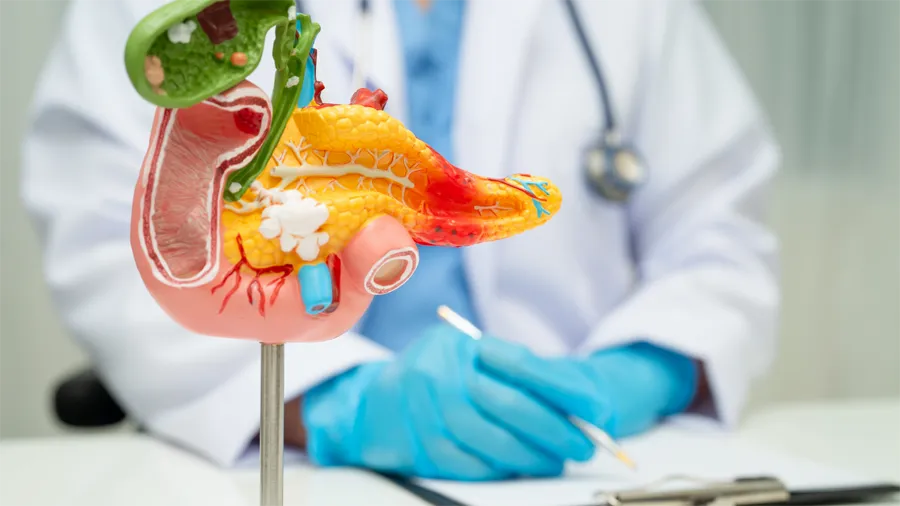
When first studied, researchers primarily wanted to ensure they were safe for the heart. What they discovered was far more promising. Early trials in people with diabetes showed fewer major cardiovascular events. Later studies showed similar benefits for people without diabetes, but who had obesity or elevated heart‑disease risk.
GLP-1s are often described as weight-loss shots, but providers see them from a more comprehensive perspective. A key reason is the reduction in visceral fat, which collects deep inside the abdomen around vital organs. It’s becoming more clear how damaging visceral fat is because it contributes to diabetes, fatty liver disease, kidney disease, and cardiovascular disease. When you treat that upstream problem, you help protect the heart and reduce the risk of cardiovascular events. This means GLP‑1s don’t just lower weight; they improve the metabolic and inflammatory processes that contribute to heart disease.
The medications aren’t for everyone, but research suggests several groups may see meaningful heart‑health benefits, including individuals with cardiovascular disease, those with type 2 diabetes, and people with obesity who have additional risk factors. If your risk of developing heart disease in the next 10 years is moderate to high, a GLP-1 may be a way to lower that risk.
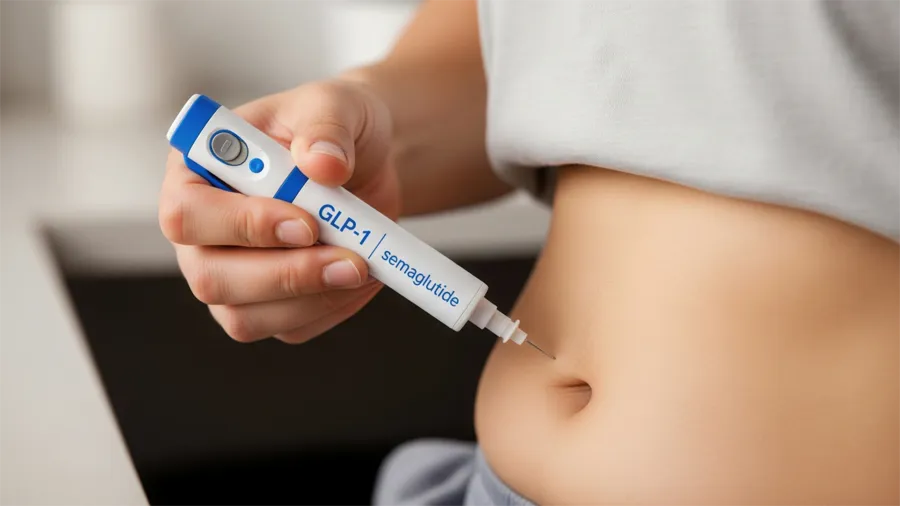
Despite their benefits, GLP-1s aren’t a replacement for the basics of heart health care. Optimizing blood pressure, lowering LDL cholesterol, eating well, and staying active remain essential. These medications work best when they’re layered on top of those strategies. GLP‑1 medications typically complement, rather than replace, other treatments and interventions as part of a comprehensive treatment plan. This approach reflects a broader shift in heart care, treating multiple risk factors together, earlier, rather than waiting for a heart event to occur.
If someone is curious whether a GLP-1 medication could help protect their heart, they should discuss the following with their provider:
- What is my 10-year risk of a heart attack or stroke?
- Am I a safe and appropriate candidate?
- What benefits should I expect, and how soon?
- What side effects should I watch for, and how do we manage them?
- How does this fit with my current medications, nutrition, and activity plan?
Our primary care providers at Intermountain Health focus on helping patients understand their heart‑disease risk and connect them with the right care. That work happens in close partnership with our heart and vascular team at St. Vincent Regional Hospital and the Intermountain Health – Downtown Clinic. Together, we look at the full picture, including blood pressure, cholesterol, weight, blood sugar, and lifestyle, and build personalized plans to lower cardiovascular risk. This team‑based approach helps us reduce risk before a heart attack or stroke occurs and supports long‑term heart health.
web.jpg?fit=outside&w=600&h=750)
By Dr. Jalyn Walker, Family Medicine Physician, Intermountain Health
More from the Experts at St. Vincent Regional Hospital








About St. Vincent Regional Hospital
Founded on our mission of compassionate care 125 years ago, St. Vincent Regional Hospital, part of Intermountain Health, has grown into one of Montana’s largest comprehensive hospitals, serving the healthcare needs of over 400,000 people in our four-state area. Continuing to respond to the needs of our community, we have been recognized as an innovator in trauma, heart, neurological and cancer care. At St. Vincent and Intermountain Health, our 12 primary care clinics, and specialty clinics in and around the Billings area, our goal is to help you live the healthiest lives possible. This also includes caring for the region's youngest patients. We opened the region's first Pediatric Intensive Care Unit staffed 24/7 by Pediatric Intensivists and the only Pediatric Surgery program serving eastern Montana, northern Wyoming, and the western Dakotas.



125 Years of Caring for You
St. Vincent is proud to be Billings' first hospital, caring for generations in our community. Hear the story of how a group of brave Catholic sisters brought healthcare to Billings and how we continue our mission to help you live your healthiest life. Click HERE to watch.