





Starting Strong
Why Early Pregnancy Screening Matters
Pregnancy is an exciting journey, but it also comes with important decisions that can impact you and your baby’s health during pregnancy and in the long term. One of the most valuable steps you can take is early screening for both you and your baby to identify any potential health concerns.
Important screening can even begin before you become pregnant. If you plan to become pregnant in the next 12 months, schedule a check-up with your women’s health provider to find out if you have any risk factors for pregnancy complications. There are tests and screenings that can be done before pregnancy to see if you’re at risk.
If any concerns arise, your primary care doctor, midwife or OB/Gyn can provide a referral to maternal fetal medicine specialists who specialize in high-risk pregnancies. Together, your care team can discuss individual health goals before becoming pregnant and make a care plan. Patients who have known chronic medical conditions such as high blood pressure or diabetes should see their primary care provider before becoming pregnant, to help them optimize their health and manage their health conditions.
Once you’re pregnant, starting prenatal care early in pregnancy (within the first 12 weeks) generally leads to better outcomes for both mom and baby and can help reduce complications that arise during pregnancy and delivery.
Early detection of potential issues such as gestational diabetes, preeclampsia (high-blood pressure), or development concerns in the baby can be lifesaving. Those early prenatal screening appointments, including blood tests and ultrasounds, are the first opportunities to ensure that both mother and baby are on a path to a healthy pregnancy.
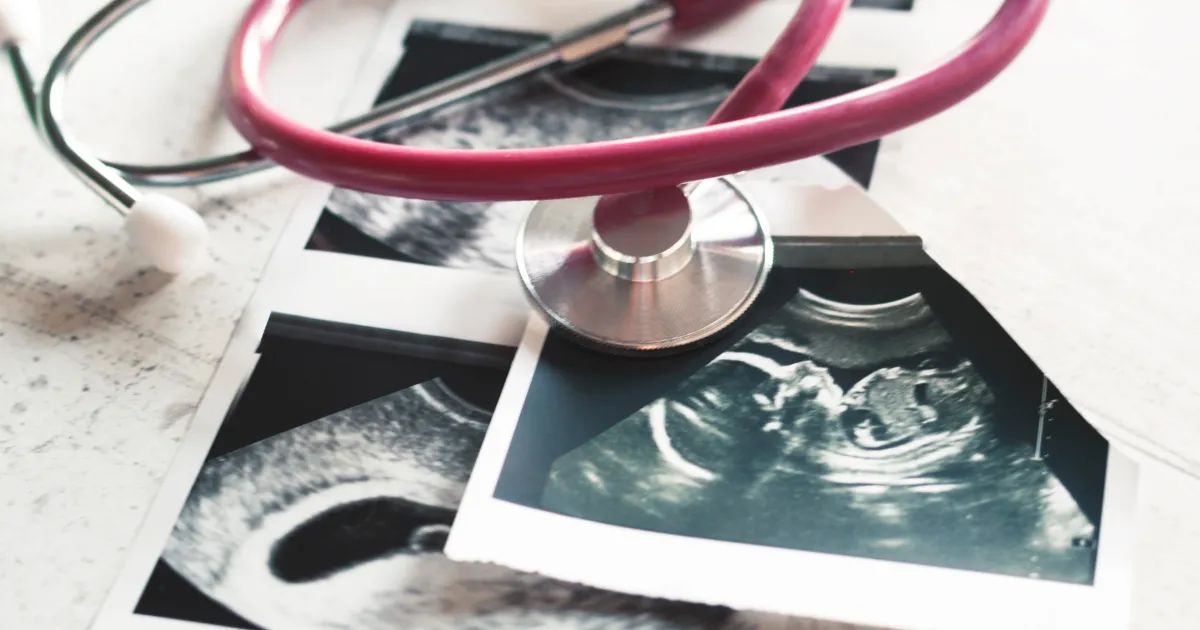
According to a recent report from the National Institutes of Health, 6 percent of women who gave birth developed gestational diabetes during their pregnancy. When moms have diabetes or develop gestational diabetes, it can lead to a higher risk of complications or preterm birth.
Complications of having high blood pressure or preeclampsia during pregnancy can be very serious and can lead to organ damage in the mother, seizure, or stroke. It can also lead to decreased blood flow to the placenta and the baby receiving less oxygen and fewer nutrients, causing low birth weight, and sometimes preterm delivery.
Although these conditions can be a cause for alarm for mothers, working closely with your obstetrics provider and a maternal fetal medicine team, you can develop a treatment and birth plan to help mitigate some of the most serious risks and compilations.
Quality pre-pregnancy and prenatal care are the most important factors in ensuring a healthy pregnancy and delivery. It’s about empowering mothers with the knowledge and support they need to give their babies the best possible start in life.
web.jpg?fit=outside&w=800&h=543)
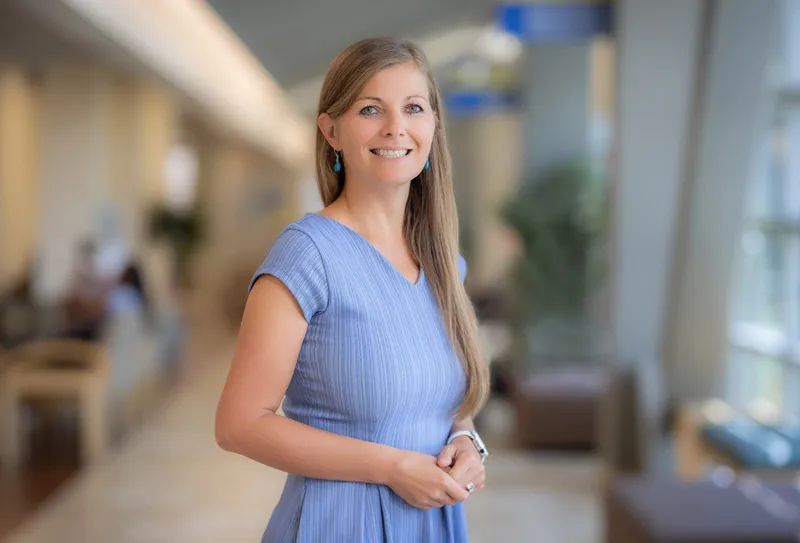
Written by: Dr. Erica Smith, Maternal Fetal Medicine Specialist, Intermountain Health
More from the Experts at St. Vincent Regional Hospital




About St. Vincent Regional Hospital
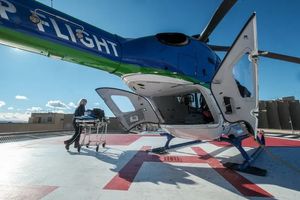
Founded on our mission of compassionate care 125 years ago, St. Vincent Regional Hospital, part of Intermountain Health, has grown into one of Montana’s largest comprehensive hospitals, serving the healthcare needs of over 400,000 people in our four-state area. Continuing to respond to the needs of our community, we have been recognized as an innovator in trauma, heart, neurological and cancer care. At St. Vincent and Intermountain Health, our 12 primary care clinics, and specialty clinics in and around the Billings area, our goal is to help you live the healthiest lives possible. This also includes caring for the region's youngest patients. We opened the region's first Pediatric Intensive Care Unit staffed 24/7 by Pediatric Intensivists and the only Pediatric Surgery program serving eastern Montana, northern Wyoming, and the western Dakotas.

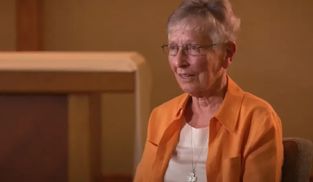
125 Years of Caring for You
St. Vincent is proud to be Billings' first hospital, caring for generations in our community. Hear the story of how a group of brave Catholic sisters brought healthcare to Billings and how we continue our mission to help you live your healthiest life. Click HERE to watch.